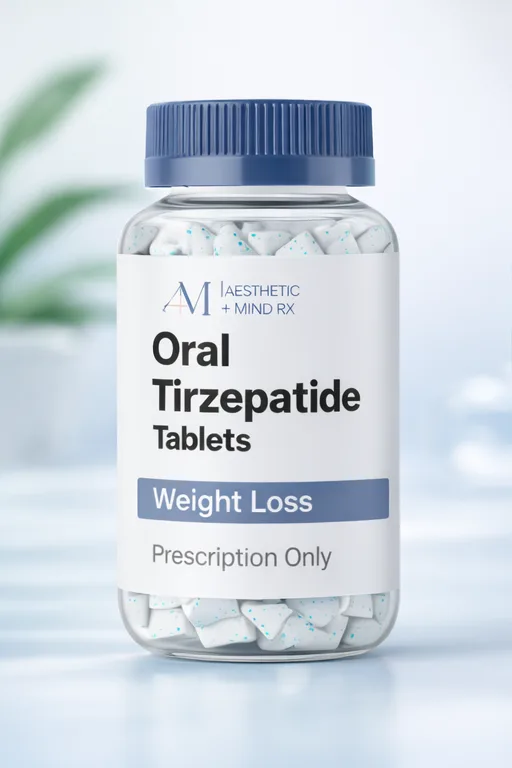
Tirzepatide Pills Dosage and Expected Weight Loss Results
What Is Tirzepatide and How Does It Work
Tirzepatide is a once-weekly injectable medication that activates two incretin hormone receptors simultaneously: the glucose-dependent insulinotropic polypeptide (GIP) receptor and the glucagon-like peptide-1 (GLP-1) receptor. This dual-agonist mechanism sets it apart from older GLP-1-only therapies. By targeting both pathways, tirzepatide improves insulin sensitivity, slows gastric emptying, reduces appetite signaling in the brain, and enhances the body's ability to regulate blood glucose. The combined effect produces substantially greater weight reduction than single-pathway agents at equivalent doses. Approved under the brand name Mounjaro for type 2 diabetes and Zepbound for chronic weight management, tirzepatide represents the current leading edge of pharmacological obesity treatment.
Tirzepatide Dosage Schedule
Tirzepatide is administered as a subcutaneous injection, not an oral tablet. When people search for tirzepatide pills, they are typically looking for information about the medication's dosing structure and availability, and it is important to clarify that the approved forms are pre-filled autoinjector pens. Dosing follows a structured escalation protocol designed to minimize gastrointestinal side effects while the body adjusts to the medication.
Standard Escalation Protocol
- 2.5 mg once weekly for the first 4 weeks (initiation dose, not therapeutic)
- 5 mg once weekly for at least 4 weeks
- 7.5 mg once weekly for at least 4 weeks
- 10 mg once weekly for at least 4 weeks
- 12.5 mg once weekly for at least 4 weeks
- 15 mg once weekly (maximum approved dose)
Clinicians typically advance the dose every four weeks, but the schedule can be slowed if a patient experiences persistent nausea, vomiting, or diarrhea. The 5 mg, 10 mg, and 15 mg doses are considered maintenance doses. Many patients achieve meaningful weight loss at 10 mg and do not require further escalation, though the 15 mg dose consistently produces the highest absolute weight reduction in clinical data.
Expected Weight Loss by Dose
Clinical trial data from the SURMOUNT program provides the clearest picture of what patients can realistically expect. In SURMOUNT-1, adults with obesity who had no diabetes lost an average of 15 percent of body weight on the 5 mg dose, 19.5 percent on the 10 mg dose, and 20.9 percent on the 15 mg dose over 72 weeks. A significant subset of participants on the highest dose lost more than 25 percent of their starting body weight. For a person weighing 250 pounds, that represents a potential loss of 50 to 62 pounds over roughly 18 months of continuous treatment.
Weight loss is not linear. Most patients see the most rapid reduction in the first 12 to 24 weeks, with the rate slowing as they approach a new metabolic set point. A plateau between weeks 36 and 52 is common and does not indicate treatment failure. Continued adherence at the maintenance dose typically allows further, slower loss or stable maintenance of achieved weight.
Factors That Influence Individual Results
No two patients respond identically to tirzepatide. Several variables shape how much weight a given person will lose. Baseline body weight matters because those with higher starting weights tend to lose more in absolute pounds, though percentage loss remains fairly consistent. Dietary behavior during treatment is a strong modifier: tirzepatide suppresses appetite but does not override sustained high-calorie intake. Patients who pair the medication with a modest caloric deficit and increased physical activity consistently outperform those relying on the drug alone. Metabolic comorbidities such as hypothyroidism or polycystic ovary syndrome can blunt response and may require separate management. Genetic variation in GIP and GLP-1 receptor expression also likely contributes to the wide individual range observed in trials.
Safety Considerations and Prescription Requirements
Tirzepatide is a prescription-only medication. Anyone researching tirzepatide pills or injectable formulations should work directly with a licensed healthcare provider who can assess cardiovascular history, rule out personal or family history of medullary thyroid carcinoma or multiple endocrine neoplasia type 2, and monitor kidney function during the early dose-escalation phase when dehydration risk from gastrointestinal side effects is highest. Common side effects include nausea, constipation, diarrhea, and reduced appetite, most of which diminish after the first two to three months. Pancreatitis and gallbladder disease are less common but clinically relevant risks that warrant prompt reporting of severe abdominal pain. Tirzepatide is not approved for use during pregnancy, and patients planning conception should discuss transitioning off the medication well in advance.
Sustaining Results After Reaching Your Target Weight
Evidence from extension studies shows that discontinuing tirzepatide leads to significant weight regain, typically recovering about two-thirds of lost weight within a year of stopping. This reflects the chronic, relapsing nature of obesity as a disease rather than any failure of the treatment itself. Many clinicians therefore treat tirzepatide as a long-term medication rather than a short course. For patients concerned about indefinite injection-based therapy, ongoing research into oral GLP-1 and dual-agonist formulations may eventually offer alternatives, and tirzepatide pills in a true oral form remain an active area of pharmaceutical development. Until such options are approved, the injectable pen remains the standard of care for those who qualify.